Blogs
What Are the Secrets Behind the Manufacturing Process of Cocopeat?
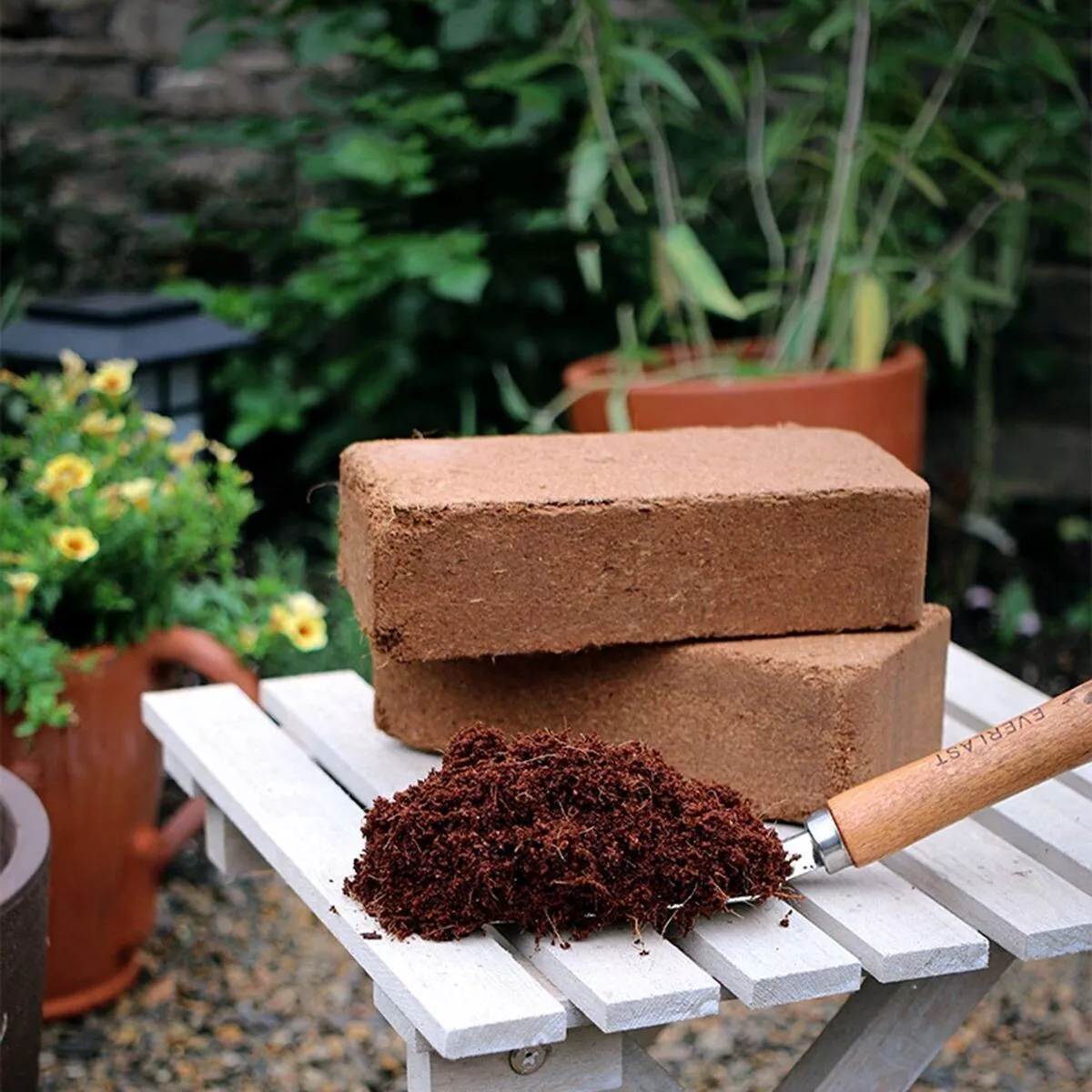
Introduction to Cocopeat
Cocopeat, also known as coir pith or coir dust, is a versatile and sustainable growing medium derived from the husk of coconuts. Its popularity has surged recently due to its excellent water retention, aeration properties, and eco-friendly nature. Understanding the manufacturing processes of cocopeat is crucial for growers, gardeners, and agricultural enthusiasts who wish to utilise this organic product effectively.
Harvesting and Initial Processing
Coconut Husk Selection: The Foundation of Quality Cocopeat
The manufacturing process begins with the collection of coconut husks. These husks are typically gathered from coconut processing plants where the nuts are separated for other uses. The quality of cocopeat starts at this stage, as only mature, fully developed husks are chosen to ensure the best end product.
Soaking and Softening: The Process to Ensure Quality Cocopeat
Once collected, the husks are soaked to soften the coir fibres. This soaking can be done in freshwater or salt water, depending on the desired properties of the final cocopeat. Freshwater soaking is preferred for producing cocopeat that is suitable for horticultural uses, as it minimises the salt content.
Defibering Process
Mechanical Defibering
After soaking, the softened husks are processed through mechanical defibering machines. These machines break down the husks into smaller fibres and separate the coir dust (cocopeat) from the coir fibres. The mechanical defibering process involves rotating drums with spikes or knives that tear apart the husks, releasing the coir dust.
Sieving and Screening
The next step involves sieving and screening the coir dust to remove larger particles and impurities. This is achieved through vibrating screens and rotary sieves that ensure the cocopeat is of uniform size and quality. The sieved material is then collected and transported for further processing.
Drying and Curing
Sun Drying
Cocopeat contains a high moisture content after defibering, which needs to be reduced for optimal use. Sun drying is a traditional and eco-friendly method where the cocopeat is spread out in thin layers under the sun. This process can take several days, depending on the weather conditions, and helps to reduce the moisture content naturally.
Mechanical Drying
In regions with less consistent sunlight or for faster production cycles, mechanical drying is employed. This involves using hot air ovens or drying tunnels to evaporate the moisture from the cocopeat quickly. Mechanical drying is more controlled and ensures consistent moisture in the final product.
Buffering and Washing
Buffering Process
Buffering cocopeat involves treating it with a calcium nitrate solution to displace excess sodium and potassium ions. This step is crucial for horticultural cocopeat as it ensures the medium is free from salts that can hinder plant growth. Buffered cocopeat is preferred for its enhanced nutrient-holding capacity and lower electrical conductivity.
Washing Process
Washing cocopeat is another method to reduce salt content, particularly for products intended for sensitive crops. The cocopeat is washed with water to leach out soluble salts. This can be done multiple times until the desired electrical conductivity is achieved. The washed cocopeat is then dried again to remove excess moisture.
Compression and Packaging
Compression into Blocks and Briquettes
Dried cocopeat is compressed into blocks, bricks, or briquettes to facilitate easy transportation and handling. Compression reduces the volume of cocopeat by up to ten times, making it more economical to ship. The compressed cocopeat expands when rehydrated, providing a lightweight and effective growing medium.
Packaging
The compressed cocopeat blocks are then packaged in various sizes to cater to different market needs. Packaging can range from small retail packs for home gardeners to large bales for commercial growers. Proper packaging ensures the cocopeat remains dry and free from contaminants during storage and transport.
Quality Control and Testing
Chemical and Physical Testing
Throughout the manufacturing process, cocopeat undergoes rigorous quality control and testing to ensure it meets industry standards. This includes testing for pH levels, electrical conductivity, moisture content, and particle size distribution. Chemical tests are also conducted to check for the presence of harmful substances like heavy metals and pathogens.
Certification and Standards
Many cocopeat manufacturers seek certifications from recognized bodies to validate the quality of their products. Certifications such as OMRI (Organic Materials Review Institute) listing or RHP certification for horticulture ensure that the cocopeat meets stringent quality and safety standards.

Environmental and Sustainability Considerations
Sustainable Resource Management
Cocopeat production is inherently sustainable as it utilizes coconut husks, a by-product of the coconut industry. This reduces waste and promotes the efficient use of natural resources. Additionally, the manufacturing processes are designed to minimize environmental impact, with many facilities using renewable energy sources for drying and processing.
Eco-friendly Production Practices
Manufacturers are increasingly adopting eco-friendly practices such as recycling water used in the washing process and implementing waste management systems. The emphasis on sustainability extends to packaging materials, with a growing preference for biodegradable or recyclable packaging.
Cocopeat Manufacturing: From Coconut Husk to Sustainable Growing Medium.
Discover eco-friendly processing techniques & explore the benefits of cocopeat for gardening and agriculture.
Advanced Processing Technologies
Innovations in cocopeat manufacturing include the development of advanced processing technologies that enhance efficiency and product quality. Automated systems for defibering, drying, and packaging streamline production and reduce labour costs. These technologies also improve the consistency and uniformity of cocopeat products.
Customised Cocopeat Blends
Manufacturers are creating customised cocopeat blends to cater to specific agricultural and horticultural needs. These blends may include additives such as perlite, vermiculite, or biochar to enhance water retention, aeration, and nutrient availability. Customised blends are tailored to meet the unique requirements of different crops and growing conditions.

Conclusion
Understanding the intricate manufacturing processes of cocopeat is essential for appreciating its value as a superior growing medium. From the careful selection of coconut husks to the advanced processing techniques, every step is designed to produce high-quality cocopeat that supports sustainable agriculture and horticulture. As innovations continue to emerge, the future of cocopeat looks promising, offering even greater benefits to growers and the environment.
Discover the best cocopeat products and elevate your gardening experience today. DJS Global Trading provides a valuable resource for exploring the practical applications of cocopeat and discovering a range of cocopeat products. Let's delve into the benefits of cocopeat for gardening and agriculture, making it a helpful companion to this exploration of the cocopeat manufacturing process.
© Copyright 2026 DJS Trading Pvt. Ltd. All Rights Reserved
Designed & Developed by DESS